
Michelle Scott, a Registered Nurse and interpreter trainer, discusses ways in which the medical interpreting profession can “catch up” with other healthcare professions.
VoicesACADEMY is pleased to provide RID credits through our CMP sponsor, CEUs on the Go! Follow the instructions below in order to earn RID credit. NOTE: Only sign language interpreters must submit a PINRA form. BEFORE watching the video, complete the PINRA form: Click here to download the PINRA form. Complete only the …Continue Reading
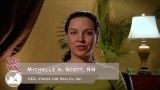
Interpreters can improve facilitation of communication for medical histories by understanding providers’ goals, communication styles, and different types of histories. Concepts presented by Michelle Scott, RN include the S.O.A.P. process, pain assessment, the 5 components of a medical history, communication techniques and styles, and patient reactions.

This interview with Lynne Carter, Head of Equality and Diversity at NHS Bradford and Airedale, provides an introduction to health disparities in the United Kingdom, as well as strategies to address language accommodation, allowing the audience to compare opportunities within the U.S. healthcare system.

From refugee camps to beyond resettlement, this interview with social worker Kathleen To explores psychosocial dynamics of refugees and techniques to assist interpreters in facilitating communication for social service encounters.

This video with researcher Maria Moreno, MPH explores ways in which health disparities in the United States can be minimized through adequate language accommodation mandates and practices.

Through a conversation about the historic Willie Ramirez malpractice case study with researcher and author Gail Price-Wise, interpreters and healthcare providers can learn about ways to improve communication and cultural competency.

This interview with clinical psychologist Adriane Nada provides an overview of domestic violence services and guidelines for interpreters assigned to appointments at counseling sessions or crisis shelters.
© Copyright 2013 - 2026 Voices For Health, Inc. All Rights Reserved.