
Thanks for enjoying this free preview! Choose “Purchase This Video” or “Unlock Premier Access” to continue watching. Loading the player… Price: $15.00 after free preview Length: 51 minutes Description: “Accuracy” is one of the fundamental elements of interpreting codes of ethics and standards of practice. However, interpreting profanity is a common source of anxiety or …Continue Reading

Sara Brown addresses various aspects of managing assignments, including content and terminology preparation, team etiquette, ethical considerations and coping with difficult topics. The insight is relevant not only to conference interpreting, but to community assignments such as health education classes, insurance benefits presentations, school meetings and more.
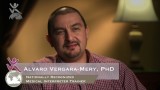
Thanks for enjoying this free preview! Choose “Purchase This Video” or “Unlock Premier Access” to continue watching. Loading the player… Price: $19.00 after free preview Length: 68 minutes Description: In this interview, Dr. Alvaro Vergera-Mery shares his extensive interpreting experience working in a pediatric hospital. Moving through the age range of infant through teen, he …Continue Reading

Originally a medical conference interpreter in Brazil, trainer Marcelle Castro describes her academic research about using technology to train interpreters, often internationally. Her experience is applicable to the field of medical interpreter training, as she describes considerations for learning styles, trainer adaptations and various resources (software, hardware and web based).
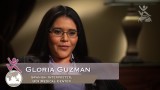
Gloria Guzman, WA-DSHS certified medical interpreter, shares personal experiences as a professional medical interpreter to highlight cultural and linguistic dilemmas that are common among Spanish interpreters.
This video provides an overview of domestic violence services and guidelines for interpreters assigned to counseling sessions or crisis shelters.

Interpreting Professor Therese Mirande reviews the requirements of professional medical interpreting, including training and adherence to a professional code of ethics, and guides interpreters in using critical thinking to put theory about the four traditional roles into practice.

This interview with Laura Holcomb, CMI provides examples and guidance about how to put the “clarifier” and “culture broker” roles into practice when working with patients and providers.

This video is the first in a 3-part “Advanced Ethics” series. Therese Mirande explores the 5 qualities of an ethical interpreter and explores the 5 steps for ethical decision-making.
This video is the second in a 3-part “Advanced Ethics” series. Therese Mirande goes beyond basics to examine aspects of self-awareness and cultural identity that form the basis for ethical decision-making.
This video is the third in a 3-part “Advanced Ethics” series. Therese Mirande goes beyond basics to present 5 scenarios with ethical dilemmas for participants to consider. She walks participants through the 5 steps of the decision-making process for each scenario.
© Copyright 2013 - 2026 Voices For Health, Inc. All Rights Reserved.